



Educational Options and Deployment Supports
Explore educational options available in your community. Find resources to help your Family through the deployment cycle.

Army Youth Sponsorship Program
Connect with the Army Youth Sponsorship Program for all transitions experienced by children and youth.

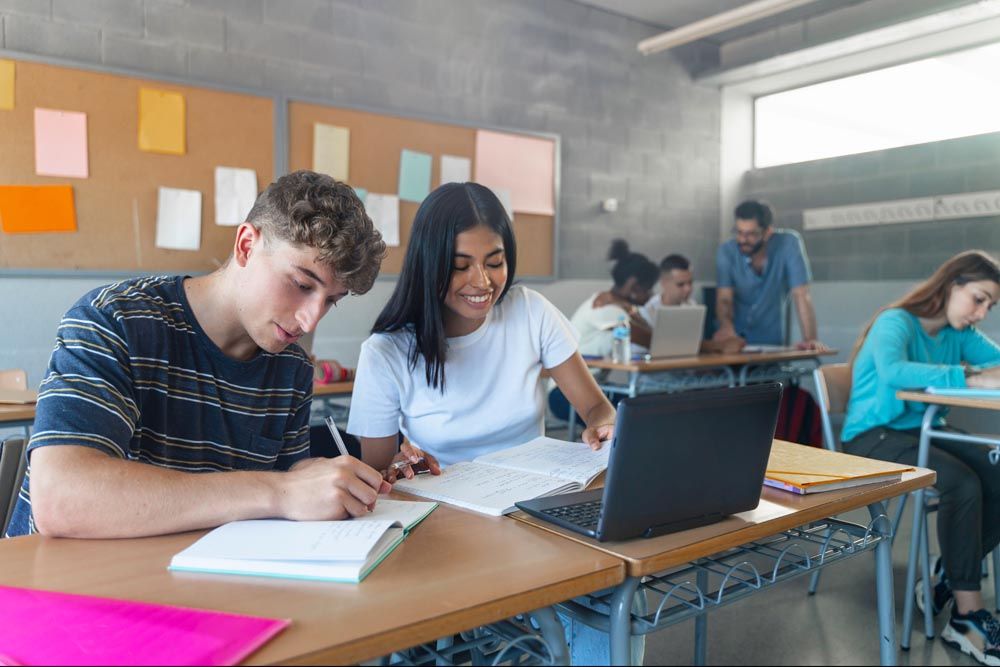
Registering your child for school in a new location can be confusing!
We help you quickly settle your kids into their new schools by providing all the info you need on registration, start dates, and requirements. Contact us for more details!



School Liaison Officers
Serve as the primary conduit between military installations and schools, supporting K-12 families with education transitions, school navigation, and special education advocacy
- Provide information on student registration in the local school system
- Provide information on the Student Meal Program
- Educate parents on the local school system, policies, procedures, programs and schedules
- Coordinate with School Age Center and Youth Center for Homework Centers and Youth Technology Labs
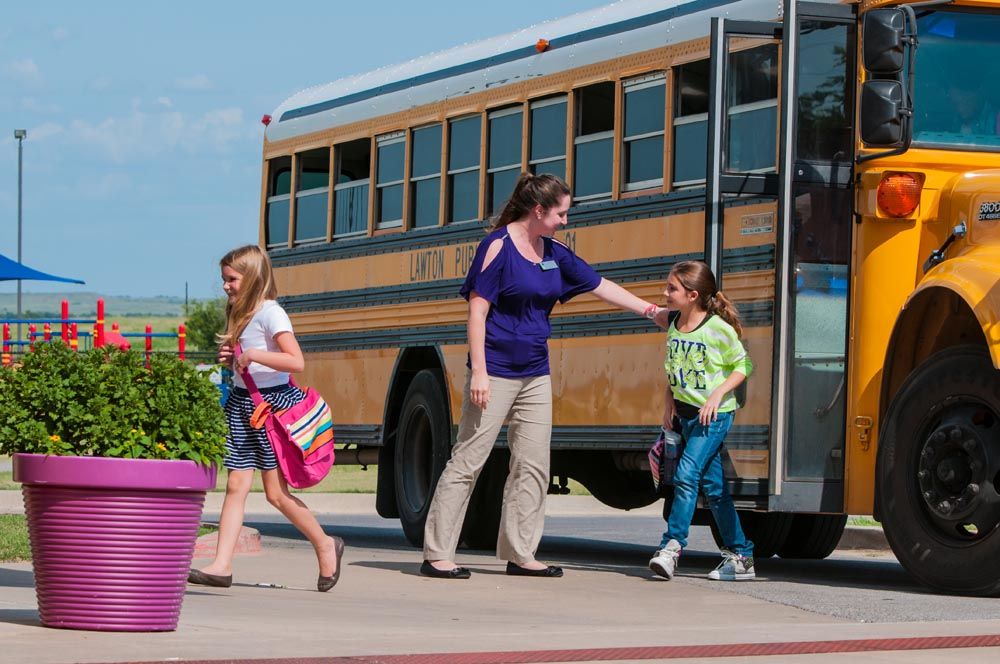
Find Your School
School Liaison Officers (SLOs) play a crucial role in helping parents find and prepare for a new school after a Permanent Change of Station (PCS). Their expertise and resources ensure that military families can navigate the challenges of school transitions smoothly and confidently.
How SLOs Help Parents Find and Prepare for a New School After PCS:
- School Research and Selection:
- SLOs provide detailed information about local schools near the new installation, including public, private, charter, and Department of War Education Activity (DoWEA) schools.
- They help parents understand school options, academic programs, extracurricular activities, and enrollment requirements.
- SLOs can assist in identifying schools that meet specific needs, such as special education services, gifted programs, or advanced placement courses.
- Enrollment Assistance:
- SLOs guide parents through the enrollment process, including required documentation such as transcripts, immunization records, and proof of residency.
- They help families understand state-specific requirements and timelines for registration.
- Understanding the Interstate Compact:
- SLOs educate parents about the Interstate Compact on Educational Opportunity for Military Children, which ensures smooth transitions for military-connected students. This includes assistance with transferring credits, placement in appropriate classes, and meeting graduation requirements.
- School Tours and Introductions:
- SLOs can coordinate school tours and introductions to teachers, counselors, and administrators, helping families feel welcomed and informed about their new school environment.
- Transition Support:
- SLOs provide resources and strategies to help students adjust socially and emotionally to their new school, including tips for making friends and getting involved in extracurricular activities.
- They offer workshops for parents on supporting their child’s transition and addressing challenges such as anxiety or academic adjustments.
- Youth Sponsorship Programs:
- SLOs connect families with the Youth Sponsorship Program, which pairs incoming students with trained peers to help them navigate their new school and community.
- Special Education and Individual Needs:
- For families with children requiring special education services, SLOs assist in understanding school processes and policies as well as ensuring continuity of services during the transition.
- Community Resources:
- SLOs provide information about local community resources, such as tutoring programs, after-school activities, and family support services, to help families integrate into their new environment.
Why It Matters:
Relocating to a new school after a PCS can be overwhelming for both parents and students. SLOs serve as trusted advisors, offering personalized guidance and resources to ensure families feel supported every step of the way. Their expertise helps military-connected students transition smoothly, maintain academic progress, and thrive in their new school environment.
Families may choose to reside in several cities or towns surrounding Fort Leavenworth. Each community has its own school district. The Fort Leavenworth Unified School District 207 serves children in grades K-9 who reside on the installation. Students in grades 10-12 attend Leavenworth High School (USD 453) in the City of Leavenworth.
The children of families which reside off-post attend school in their locally assigned district. Some Kansas school districts allow out of district enrollment if certain criteria is met. Missouri school districts do not allow any out of district transfer students. Research local schools to determine the best choice for your child and contact the School Liaison Officer for more complete information.
Kansas School Districts
Missouri School Districts
Platte County R-III Schools (Platte City)
West Platte R-II Schools (Weston)
To find more data about local schools, view building report cards at the State Department of Education.
Leavenworth Area Private Schools (Military Families have access to private schools in the community)
There are no charter or magnet schools in the Fort Leavenworth area.
A current list of local home school resources, groups, and points of contact can be accessed by contacting the School Liaison Officer.
Kansas Virtual Schools and Programs
Homeschooling in Kansas and Missouri
Kansas recognizes home schools as non-accredited private schools and requires registration with the State Department of Education. An online registration form and everything you need to know about home schooling in Kansas may be accessed at the Kansas State Department of Education’s website.
Missouri does not regulate or monitor home schools. There is no need to register as a home school in Missouri. However, there are records that MUST be maintained. Find everything you need to know about home schooling in Missouri by reviewing the following State Statutes: 167.031 167.042
Keeping accurate and complete records of home schooled students’ progress is highly encouraged. These records will be needed if the student transfers to a public or an accredited school, or applies for admission to a college or university. If a student transfers to an accredited school, the accredited school is not required to accept the transfer of credit. The accredited school may find it necessary to test the student in order to make a decision regarding the transfer of credit.
The availability of special classes and services for students that home school is determined by local district policy. Public schools are not required to make a free and appropriate education available to students who are not both enrolled and residing in their district. The district policy must be non-discriminatory by either allowing part time enrollment for any reason or not allowing it at all.
Fort Leavenworth USD 207 does not allow any part time enrollment.
Leavenworth USD 453 does allow part time enrollment. Students who reside in the USD 453 boundaries must be enrolled in at least one full-time class to participate in other activities.

Preparing your student for the new School
Contact your School Liaison Officer.

Additional Resources
More links, documents, and tools to support your family.
- Impact Aid
Many U.S. school districts include federally owned, tax-exempt land, such as military bases, which significantly reduces local property tax revenue. Despite this financial challenge, these districts are still required to provide quality education to students residing on these lands.
To help address this funding gap, Congress established the Impact Aid Program. This program provides financial assistance to school districts based on the number of eligible federal employees or military families who complete an annual survey form. Impact Aid partially compensates for the loss of local tax revenue caused by federally owned, non-taxable property, ensuring schools can continue to meet the educational needs of their students. -
Non-DoW School Program (NDSP)
At overseas/international locations where there is not a Department of War Education Activity (DoWEA) school, NDSP supports a variety of options for your children, ranging from public or private schools to homeschool programs. NDSP has a team of education specialists who are available to provide transition and educational support and coordination for all students, including those with special needs.